
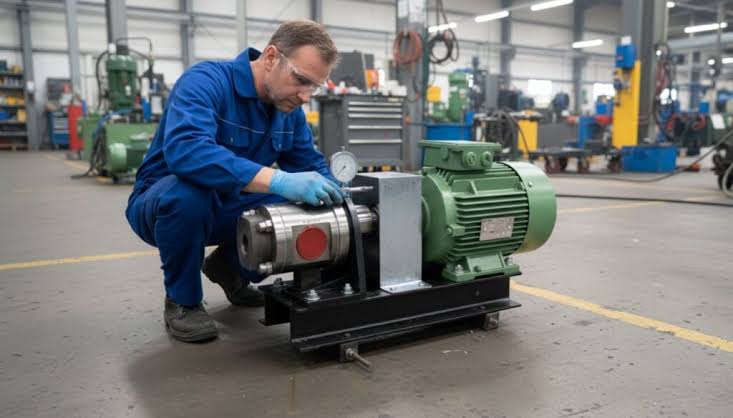
When a production line experiences a dip in flow efficiency or a cooling system begins to falter under pressure, the focus often turns to the heart of the fluid transfer process: the pump. Selecting the right equipment to move viscous liquids, lubricants, or chemical agents is a decision that impacts the longevity of an entire mechanical setup. For many operations, the search for a durable gear oil pump often leads to a complex landscape of technical specifications and varying manufacturing philosophies. Understanding how to navigate this search is essential for ensuring long-term operational stability.
Why Fluid Handling Requirements Vary So Widely
The primary difficulty in choosing a gear pump manufacturer lies in the fact that fluid characteristics are rarely uniform. A pump that performs exceptionally well with thin, clean hydraulic oil may struggle significantly when introduced to high-viscosity resins or fluids containing abrasive particulates. When the pump is mismatched with the specific properties of the liquid, the result is typically accelerated wear on the internal gears, premature failure of seals, and a noticeable decline in volumetric efficiency.
Engineers and facility managers often find that the most common mistakes occur during the initial specification phase. Relying on generic hardware rather than evaluating the specific material compatibility, thermal expansion rates, and pressure requirements of the application can lead to costly downtime. The challenge is not just finding a pump that moves liquid; it is finding one engineered to handle the specific stressors of a particular operational environment.
How the Manufacturing Process Impacts Performance
The manufacturing process for high-quality fluid transfer equipment generally involves a combination of precision machining, material selection, and rigorous quality control. A well-constructed unit is typically built with tight tolerances between the gears and the pump housing. This precision is what allows the pump to maintain high pressure and flow consistency.
When a gear pump manufacturer prioritizes high-grade alloys or specialized surface treatments, the resulting equipment tends to resist corrosion and wear more effectively over extended service intervals. The internal assembly process—how the shafts are seated and how the bearings are integrated—also dictates the level of vibration and noise produced during operation. Thoughtful construction methods reduce internal leakage (often called slip), which ensures that the energy consumed by the motor is effectively translated into fluid movement rather than wasted heat.
Key Factors That Shape Long-Term Success
When evaluating potential providers or specific models of a gear oil pump, several factors should remain at the forefront of the decision-making process. The goal is to weigh these considerations against the realities of the facility’s daily demands:
- Material Suitability: The internal components must be compatible with the chemical composition and temperature of the fluid being processed to prevent degradation or contamination.
- Maintenance Accessibility: A design that allows for the simple inspection of wear plates and seal replacement typically leads to lower total costs over the lifespan of the pump.
- Operational Versatility: Some systems require a pump that can handle variable speeds or changing pressure loads without compromising flow stability.
- Support and Integration: Technical guidance regarding installation, seal selection, and performance optimization is often as valuable as the hardware itself.
These factors form the foundation of a reliable fluid transfer strategy. A provider that offers clear documentation on performance curves and maintenance requirements is generally better equipped to support a facility’s long-term needs than one that focuses solely on hardware delivery.
Practical Ways to Approach Procurement
Approaching the acquisition of a new pump requires a shift from viewing it as a commodity to treating it as a critical infrastructure investment. Start by gathering detailed data on the current system, such as typical fluid temperatures, viscosity levels at start-up, and the required flow rates under various load conditions.
When communicating with a potential partner, pose specific questions about how their equipment manages common failure modes. Ask about the typical expected wear patterns, how the units are tested for seal integrity, and what provisions exist for custom configurations if the standard product line does not perfectly match the specific application. A professional and transparent approach from the provider during the evaluation phase is usually a strong indicator of the quality and reliability of the equipment they supply.
Furthermore, consider the environment in which the pump will operate. Factors like ambient temperature, available space, and the existing motor and coupling configurations play a significant role in how well a new pump will integrate into an established workflow. Taking the time to verify these technical details before finalizing a selection can prevent the common headaches associated with poor fitment or performance gaps.
Taking a measured approach to these equipment decisions helps safeguard production schedules and minimizes the frequency of emergency repairs. By prioritizing build quality and matching specifications to operational realities, facility managers can ensure that their fluid handling systems contribute to a more stable and efficient workspace. When the time comes to update or replace critical hardware, engaging with a knowledgeable partner who understands the mechanical nuances of the equipment is a sensible and proactive next step.

Leave a Reply