
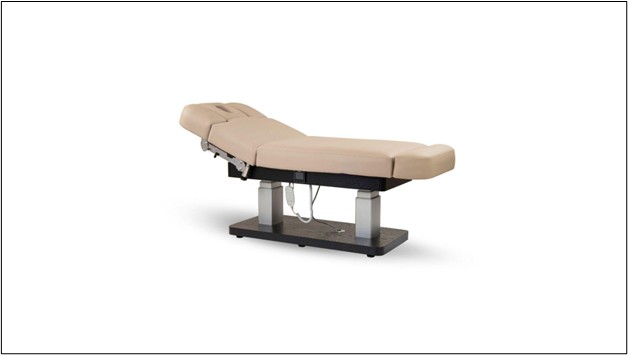
The modern wellness industry is no longer defined solely by the services offered; it is shaped by the quality of experience delivered at every touchpoint. Among the many elements that influence this experience, treatment infrastructure plays a decisive role. Today’s clients expect more than basic comfort; they seek an environment that reflects professionalism, precision, and thoughtful design. This is where Spa Treatment Beds have evolved into essential assets rather than functional necessities. Their role extends beyond supporting the client physically; they influence therapist posture, workflow efficiency, and overall service consistency.
As wellness spaces become more competitive, businesses are recognizing that investing in advanced treatment solutions directly impacts both client satisfaction and operational performance. This shift signals a broader movement toward integrating comfort with intelligent design to create truly elevated service environments.
Precision Ergonomics as the Foundation of Comfort
Comfort in professional wellness settings is now grounded in ergonomics rather than superficial softness. Modern treatment beds are engineered to align with the body’s natural posture, ensuring even weight distribution and minimizing strain during prolonged sessions. This scientific approach enhances relaxation while preventing discomfort that could disrupt the treatment experience. Adjustable sections allow therapists to position clients accurately based on the service, whether it involves skincare, massage, or therapeutic procedures. The ability to fine-tune angles and support points ensures that every client receives a personalized experience without compromise.
Materials also play a crucial role, combining durability with a refined finish that maintains hygiene standards. This integration of ergonomic intelligence and material quality transforms treatment beds into tools that actively contribute to better outcomes. As a result, clients perceive not only comfort but also a higher level of care and professionalism throughout their visit.
Streamlining Therapist Workflow Through Intelligent Design
Efficiency within a wellness environment depends heavily on how seamlessly therapists can perform their tasks. Traditional setups often required repetitive manual adjustments, leading to interruptions and physical strain. Contemporary solutions address these challenges through thoughtful design features that prioritize ease of use. An Electric Treatment Bed enables smooth transitions between positions, allowing therapists to adjust height and angles effortlessly during sessions. This eliminates unnecessary pauses and helps maintain the flow of treatment, which is critical for both relaxation and precision. Improved accessibility also reduces the physical burden on practitioners, enabling them to maintain proper posture and focus on technique.
Over time, this contributes to reduced fatigue and increased productivity. By simplifying operational processes, advanced treatment beds create an environment where therapists can deliver consistent, high-quality services without being hindered by equipment limitations.
Adaptability Across Diverse Treatment Modalities
Versatility has become a defining requirement in modern wellness spaces, where a single room often accommodates multiple services. Treatment beds designed with adaptability in mind allow businesses to meet this demand without constant reconfiguration. Features such as modular sections, adjustable headrests, and flexible positioning systems make it possible to transition between treatments efficiently. Whether the service involves relaxation therapies or more targeted procedures, the bed adapts to the requirement rather than the other way around. This flexibility not only enhances service delivery but also optimizes space utilization, which is particularly valuable in high-demand environments.
By supporting a wide range of applications, advanced treatment beds enable businesses to expand their offerings without significant additional investment. This adaptability ensures that both clients and practitioners benefit from a seamless and well-coordinated experience across all services.
Enhancing Perceived Value Through Design and Functionality
Client perception is shaped by both visible and subtle elements within a wellness space. Treatment beds contribute significantly to this perception, as they are central to every service interaction. A well-designed bed communicates attention to detail, quality, and professionalism even before the treatment begins. Beyond aesthetics, functionality reinforces this impression by ensuring smooth and uninterrupted service delivery. Quiet operation, precise adjustments, and stable construction create an environment that feels refined and reliable.
Clients are more likely to associate such experiences with higher standards of care, which directly influences their satisfaction and loyalty. From a business perspective, this perceived value becomes a differentiating factor in a competitive market. Investing in advanced treatment infrastructure is therefore not just about operational efficiency but also about shaping how clients perceive the brand and its commitment to excellence.
Sustaining Long-Term Efficiency and Business Growth
The long-term impact of investing in high-quality treatment beds extends beyond immediate comfort and convenience. Durability and reliability reduce maintenance requirements, ensuring consistent performance over time. This stability allows businesses to focus on service delivery rather than equipment-related disruptions. Additionally, improved therapist efficiency translates into better time management and the ability to serve more clients without compromising quality. The integration of advanced features in Spa Treatment Beds also supports evolving industry standards, enabling businesses to stay aligned with changing expectations.
As client demands continue to grow, having dependable and adaptable equipment becomes a strategic advantage. Over time, this contributes to stronger client retention, positive word-of-mouth, and sustainable growth. By prioritizing both comfort and efficiency, wellness spaces can build a foundation that supports long-term success while maintaining a consistently high standard of service.
Conclusion
The transformation of treatment beds reflects a broader evolution within the wellness industry, where comfort, precision, and efficiency are interconnected. Modern solutions are designed to support both clients and practitioners, creating an environment that enhances every aspect of service delivery. From ergonomic design to technological integration, Spa Treatment Bedsredefine what clients expect from a professional wellness experience.
For those aiming to enhance service quality while improving day-to-day efficiency, exploring advanced solutions from SPA Furniture offers a strategic advantage. Their thoughtfully designed treatment equipment supports both client comfort and therapist performance, ensuring consistent results across services. By investing in reliable and innovative infrastructure, businesses can create a more professional, adaptable, and future-ready wellness environment that aligns with evolving industry expectations and client demands.
