
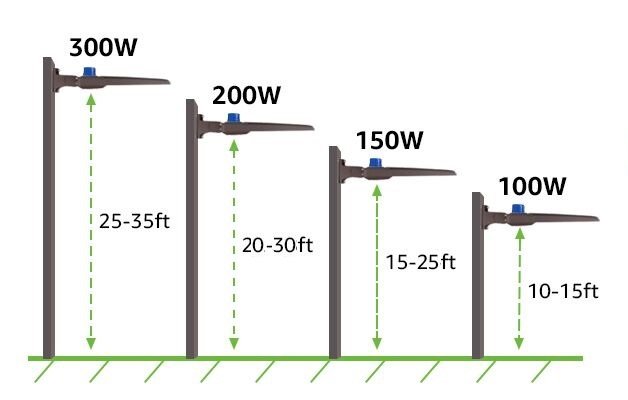
Light poles vary in height depending on their purpose and location. On average, a typical street light pole stands between 15 to 30 feet tall. However, in urban areas or along highways, they can reach heights of up to 50 feet or more. Understanding how tall a light pole is crucial for urban planning, safety, and aesthetics. Let’s delve deeper into the world of light poles and uncover the significance behind their heights.

How Tall is a Light Pole: Exploring Heights and Uses
Light poles are a common feature in our everyday lives, yet have you ever wondered just how tall they can be? In this article, we will delve into the fascinating world of light poles, their varying heights, and the purposes they serve in our communities. Let’s shine a light on these towering structures and uncover the heights they can reach!
Understanding Light Poles
Light poles, also known as streetlights or lampposts, are tall structures designed to hold lighting fixtures at a certain height above the ground. These fixtures illuminate roads, parks, parking lots, and other outdoor spaces, providing visibility and safety during nighttime hours.
Standard Heights of Light Poles
The height of a light pole can vary depending on its location and purpose. In urban areas, where visibility and safety are crucial, light poles are typically taller compared to residential areas. The standard height of a light pole in urban settings ranges from 20 to 40 feet. These taller poles ensure that the light spreads over a wider area, illuminating the streets effectively.
In residential neighborhoods, light poles are usually shorter, ranging from 8 to 20 feet in height. These lower-height poles provide adequate lighting for sidewalks and residential streets without overwhelming the surroundings.
Factors Influencing Light Pole Height
Several factors influence the height of a light pole, including the intended coverage area, the brightness of the light fixture, and the aesthetic considerations of the surrounding environment. For example, in parking lots or sports fields, taller light poles are used to provide extensive coverage and brightness to ensure safety and visibility.
Moreover, the design and placement of light poles are also influenced by local regulations and standards. Municipalities often have guidelines regarding the height and spacing of light poles to maintain uniformity and safety throughout the area.
The Role of Light Poles in Our Communities
Light poles play a crucial role in ensuring the safety and security of our communities. By providing illumination in public spaces, light poles help prevent accidents, deter criminal activity, and create a welcoming environment for pedestrians and drivers alike.
Enhancing Safety
One of the primary purposes of light poles is to enhance safety on roads and sidewalks. Adequate lighting reduces the risk of accidents by improving visibility for drivers and pedestrians, especially in areas with heavy traffic or high pedestrian activity.
Security Benefits
Light poles also contribute to security by illuminating dark areas and deterring crime. Well-lit parking lots, parks, and alleys are less attractive to potential criminals, as the increased visibility makes it easier for law enforcement to monitor these spaces and respond to incidents promptly.
Community Aesthetics
Beyond safety and security, light poles play a role in enhancing the aesthetics of our communities. Thoughtfully designed light fixtures and poles can add a decorative touch to streetscapes, parks, and public spaces, contributing to the overall ambiance and charm of the area.
Advancements in Light Pole Technology
With advancements in technology, light poles are evolving to become more efficient, sustainable, and versatile. LED lighting, in particular, has revolutionized the way we illuminate our outdoor spaces, offering energy-efficient solutions with enhanced brightness and durability.
LED Lighting
LED (Light Emitting Diode) technology has transformed the lighting industry by providing a longer lifespan, lower energy consumption, and brighter illumination compared to traditional lighting sources. Many municipalities are transitioning to LED light poles to reduce energy costs and environmental impact while improving lighting quality.
Smart Light Poles
The concept of smart light poles is also gaining popularity, where traditional poles are equipped with sensors, cameras, and connectivity features to enable various functionalities. Smart poles can monitor environmental conditions, adjust lighting levels based on activity, and even serve as platforms for Wi-Fi connectivity and smart city initiatives.
Conclusion: Lighting Up the Future
In conclusion, light poles come in various heights, each serving a specific purpose in our communities. From enhancing safety and security to adding aesthetic appeal and embracing new technologies, light poles play a vital role in shaping the nighttime landscape of our cities and neighborhoods. As we continue to innovate and improve lighting solutions, the future of light poles holds promise for brighter, more sustainable, and connected communities. Let’s appreciate the towering structures that light our way and illuminate the paths we tread each night.
20Ft Tall Street Light Pole Street Lamp Post for Outdoor Lights Backyard, Street, Patio,Parking Lots
Frequently Asked Questions
What is the average height of a light pole?
Light pole heights can vary depending on the location and purpose. On average, most light poles range from around 15 to 30 feet in height, with some taller options for specific lighting needs.
Are there regulations that dictate the height of light poles?
Yes, there are regulations and standards that govern the height of light poles to ensure safety and effectiveness. Local authorities or municipalities often have specific requirements regarding the height of light poles based on factors like road type, pedestrian traffic, and lighting coverage needed.
Can light poles be customized to different heights?
Light poles can be customized to varying heights based on specific project requirements. Manufacturers and suppliers offer options for adjustable heights to accommodate different lighting needs, architectural designs, and regulatory standards.
Final Thoughts
Light pole heights vary based on location and purpose. In urban areas, light poles are typically around 20-30 feet tall to illuminate streets effectively. However, in certain areas like highways or large parking lots, light poles can reach heights of up to 50 feet or more. When determining how tall a light pole should be, factors such as the area to be illuminated and local regulations play a significant role. Understanding the appropriate height for a light pole is crucial to ensuring adequate lighting and safety in various spaces. So, how tall is a light pole? It depends on the specific needs and requirements of the location.


