
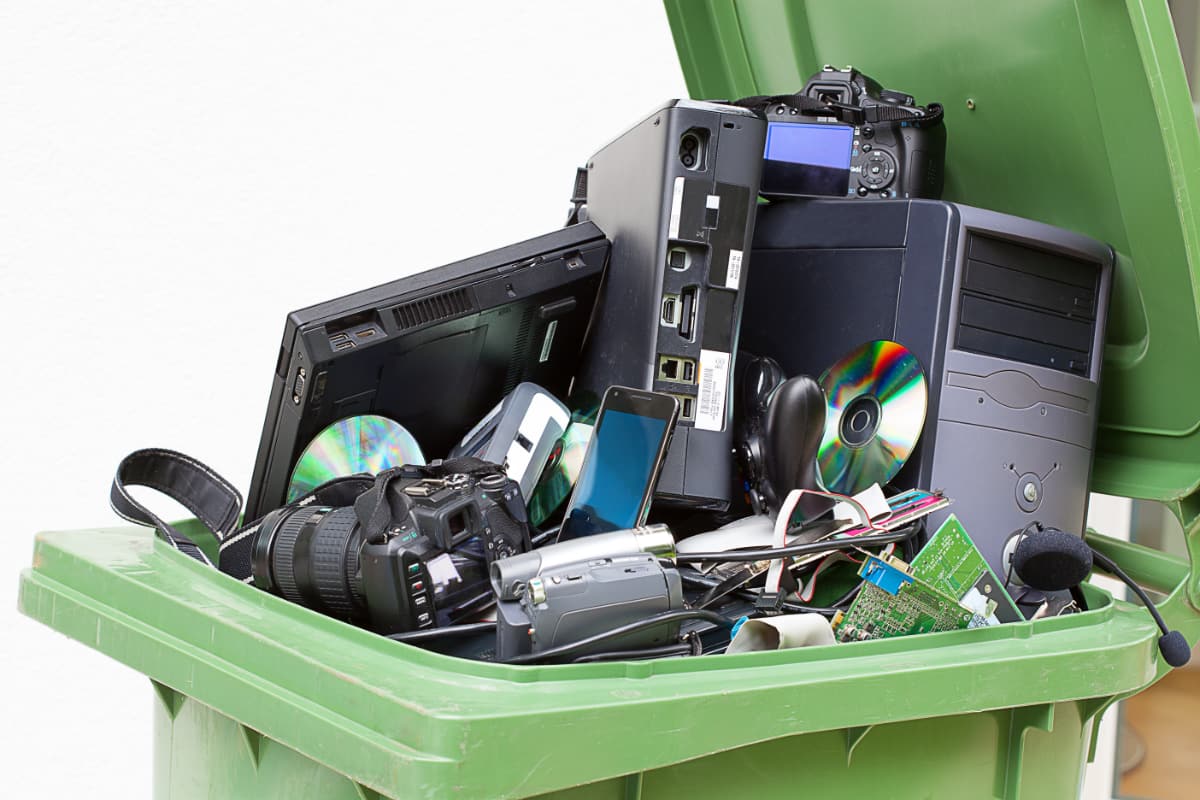
In a business landscape driven by data and digital infrastructure, the retirement of outdated technology is no longer a routine operational task. It is a critical decision point that directly influences organizational security and regulatory alignment. Old IT equipment disposal sits at the intersection of data protection, environmental stewardship, and corporate accountability. Companies that treat disposal as a low-priority activity often expose themselves to risks that extend far beyond the physical loss of assets.
Modern enterprises handle vast volumes of sensitive information across devices, from servers to employee workstations. Improper handling during disposal can leave residual data vulnerable to unauthorized access. At the same time, electronic waste contributes significantly to environmental degradation if not processed responsibly. A structured, policy-driven approach ensures that businesses remain compliant, secure, and aligned with sustainability expectations. Understanding these impacts is essential for organizations aiming to build resilient and responsible operational frameworks.
Data Residual Risks and Information Exposure
When IT assets reach the end of their lifecycle, they often still contain recoverable data. This creates a critical vulnerability if devices are disposed of without proper sanitization protocols. The process of IT equipment disposal must include secure data erasure techniques such as degaussing, overwriting, or physical destruction to eliminate the possibility of data recovery.
Failure to implement these measures can result in data breaches, intellectual property theft, and exposure of confidential customer information. Such incidents not only disrupt operations but also damage trust and brand credibility. Regulatory frameworks increasingly mandate strict data protection standards, making non-compliance a serious liability.
Organizations must adopt a proactive stance by integrating disposal into their broader cybersecurity strategy. Establishing clear policies, maintaining audit trails, and ensuring accountability at every stage reduces the likelihood of data leakage and reinforces a culture of information security.
Regulatory Compliance and Legal Accountability
The regulatory environment surrounding electronic waste and data protection has become significantly more stringent. Governments and international bodies have introduced comprehensive frameworks to ensure the responsible handling of IT assets. Old IT equipment disposal is directly tied to compliance with these regulations, including data privacy laws and environmental directives.
Non-compliance can result in financial penalties, legal action, and operational restrictions. Beyond monetary consequences, organizations risk reputational damage that can have long-term business implications. Compliance is not merely about adhering to rules; it reflects an organization’s commitment to ethical practices and governance.
To navigate this landscape effectively, businesses must stay informed about applicable regulations and ensure that disposal processes are aligned with legal requirements. Documentation, certification, and third-party validation play a crucial role in demonstrating compliance and maintaining transparency in operations.
Environmental Impact and Sustainable Practices
Electronic waste is one of the fastest-growing waste streams globally, posing significant environmental challenges. IT equipment contains hazardous materials such as heavy metals and chemicals that can contaminate soil and water if improperly discarded. Responsible disposal practices are essential to mitigate these risks and support environmental sustainability.
Organizations are increasingly expected to adopt eco-friendly approaches that prioritize recycling, refurbishment, and material recovery. This not only reduces environmental harm but also contributes to resource conservation. Sustainable disposal practices align with global initiatives aimed at reducing carbon footprints and promoting circular economies.
By integrating environmental considerations into IT asset management, businesses can enhance their corporate social responsibility profile. This approach resonates with stakeholders, including customers and investors, who value sustainability as a key component of organizational integrity and long-term viability.
The Strategic Role of Certified Disposal Processes
Implementing structured disposal processes requires expertise, precision, and adherence to industry standards. Certified disposal providers offer specialized services that ensure both data security and environmental compliance. These processes include secure transportation, documented data destruction, and environmentally responsible recycling methods.
Engaging with certified professionals introduces a layer of accountability and reliability that internal processes may lack. Detailed reporting and certification provide evidence of compliance, which is essential for audits and governance. Additionally, standardized procedures reduce inconsistencies and ensure that all assets are handled with the same level of care and security.
Organizations that invest in certified disposal processes benefit from streamlined operations and reduced risk exposure. This strategic approach transforms disposal into a controlled and measurable function, reinforcing both security frameworks and sustainability commitments.
Aligning Disposal with Corporate Governance and Risk Management
Effective IT asset disposal is a critical component of broader corporate governance and risk management strategies. It requires coordination across departments, including IT, compliance, and sustainability teams. By aligning disposal practices with organizational policies, businesses can ensure consistency and accountability.
Risk management frameworks should incorporate disposal as a key element, identifying potential vulnerabilities and implementing mitigation strategies. This includes regular audits, employee training, and continuous monitoring of disposal processes. A well-defined governance structure ensures that responsibilities are clearly assigned and executed.
Integrating disposal into governance frameworks also enhances decision-making by providing insights into asset lifecycle management. Organizations can optimize resource utilization, reduce unnecessary expenditures, and improve overall operational efficiency. This alignment reflects a mature and forward-thinking approach to managing technological assets.
Conclusion
The disposal of outdated IT equipment is far more than a logistical necessity; it is a strategic function that influences security, compliance, and sustainability. Organizations that approach the old IT equipment disposal process with diligence and foresight can protect sensitive data, meet regulatory requirements, and contribute to environmental preservation.
A comprehensive strategy ensures that risks are minimized while operational and ethical standards are upheld. As businesses continue to evolve in a data-driven world, the importance of responsible disposal practices will only grow. Connecting with experienced providers such as Planet Green Recycling (L.L.C.) enables organizations to manage this critical function with confidence, ensuring secure, compliant, and environmentally responsible outcomes.


